
Getting ready for a golf outing is easier when you know which equipment you actually need. Beginners often feel they must purchase a complete set of clubs, several accessories, and expensive extras before stepping onto a course. In reality, a practical golf equipment checklist can help you focus on the essentials, avoid unnecessary spending, and prepare for a more comfortable round.
The right setup depends on your experience, playing frequency, budget, and the type of course you visit. Regular players may prefer a complete set, while casual golfers and travellers might benefit from carrying fewer items. Q Golf offers an adjustable golf club designed to combine multiple shot settings in one compact piece of equipment. Understanding the essentials first can help you decide whether a simplified golf setup makes sense for your needs.
1. Choose the Right Golf Clubs
Golf clubs are the foundation of your equipment checklist. Different clubs are designed for different situations, including tee shots, longer fairway shots, approach shots, bunker play, and putting.
A traditional golf bag may include:
- A driver or fairway wood for longer shots.
- Hybrid clubs or irons for different distances.
- Wedges for shorter shots and greenside situations.
- A putter for rolling the ball toward the hole.
You do not necessarily need to purchase every club immediately. Beginners can start with a suitable selection and expand their equipment as their skills develop.
Think about how frequently you play before investing in a complete set. If you enjoy regular rounds and want to improve your consistency, a wider selection may be useful. If you play occasionally, a simpler setup might be enough for your preferred activities.
2. Consider a Compact Golf Club
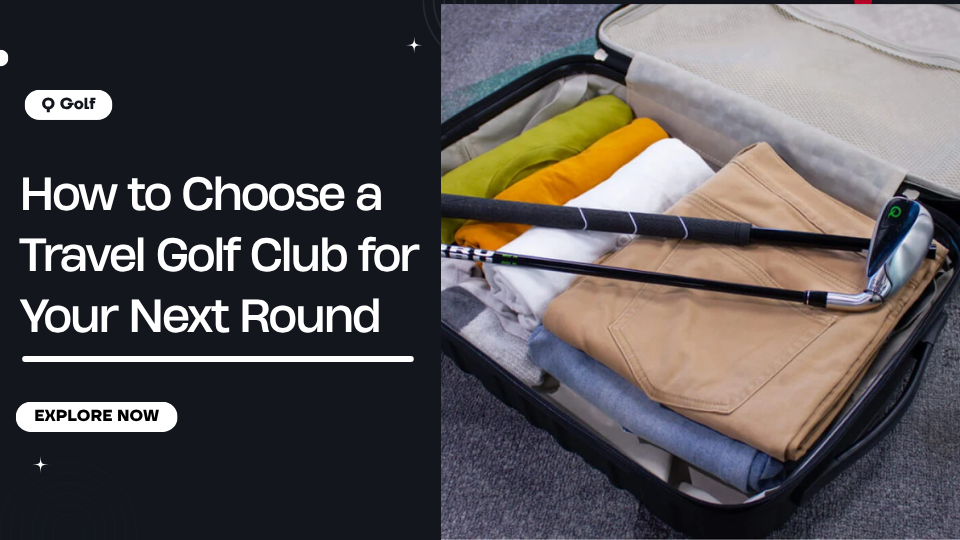
Carrying several clubs offers flexibility, but it also requires more storage space and equipment management. Golfers who travel frequently or prefer casual rounds may want to explore compact alternatives.
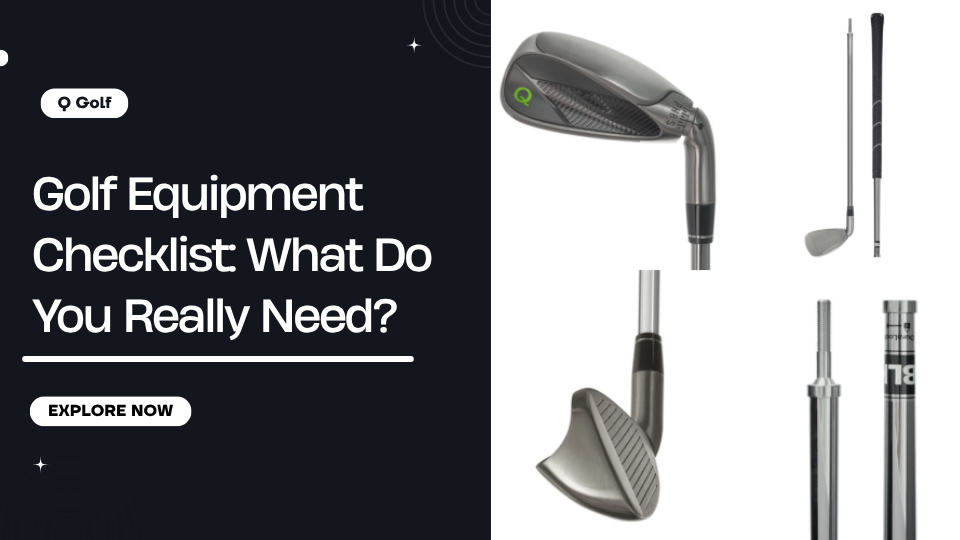
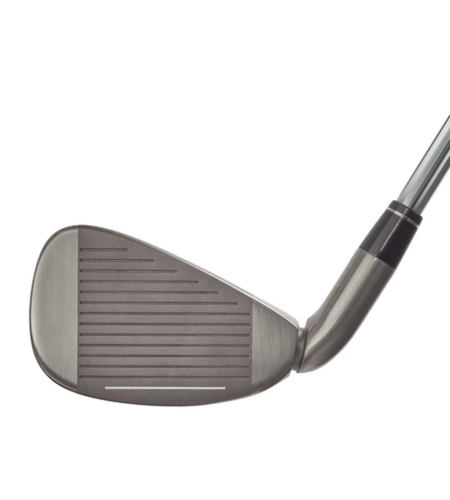
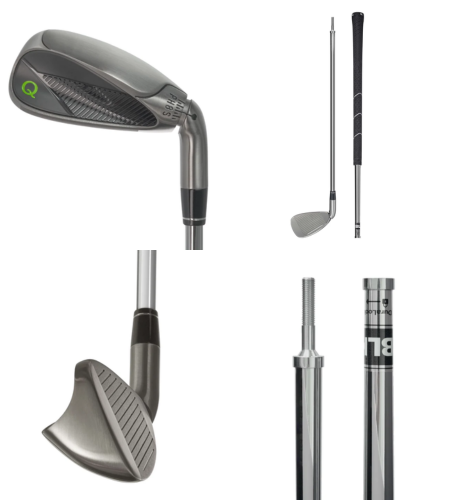
Q Golf’s Gen 2 adjustable club combines eight loft settings in one clubhead. The settings cover options ranging from a putter configuration to a lob wedge. Its two-part steel shaft separates for transport, while the extended grip provides three marked hand positions.
This design may appeal to golfers who want to simplify their equipment for holidays, road trips, practice sessions, or informal rounds.
However, an adjustable club is not automatically a complete replacement for a traditional set in every situation. Consider your usual course, shot requirements, and expectations before deciding whether a compact option fits your routine.
3. Pack the Essential Golf Accessories
Clubs are important, but several small accessories can make a golf outing more convenient. Your checklist should reflect the course rules, weather, and length of your round.
Consider packing:
- Golf balls: Carry enough for your expected round and current skill level.
- Tees: Keep a few suitable tees available for tee shots.
- Golf glove: A comfortable glove may help with grip and reduce friction.
- Ball markers: Use a marker when lifting your ball on the putting green.
- Divot repair tool: Repair eligible pitch marks according to course etiquette.
- Golf towel: Keep your hands and equipment clean.
- Water bottle: Stay hydrated during your time outdoors.
- Sunscreen and a hat: Prepare for sunny conditions.
You do not need every accessory available in a golf shop. Start with practical items and add specialist equipment only when it serves a clear purpose.
4. Select Comfortable Golf Clothing
Comfortable clothing can help you focus on the game rather than constantly adjusting your outfit. Check the course dress code before leaving home, because some facilities have specific clothing requirements.
A basic clothing checklist may include a breathable shirt, suitable trousers or shorts, comfortable socks, and golf shoes with appropriate traction. In colder conditions, bring additional layers. For rainy weather, consider a waterproof jacket and suitable protection for your equipment.
Golf shoes are worth particular attention because walking and swinging require stability. Choose footwear that fits properly and suits the surfaces where you expect to play.
If your outing includes travel, pack clothing according to the forecast and available storage space. Avoid carrying unnecessary items that make your bag heavier without improving comfort or preparation.
5. Organize Your Golf Bag Efficiently
A well-organized bag helps you find equipment quickly and reduces the chance of forgetting important items. Before leaving, divide your checklist into essentials, optional accessories, and weather-dependent gear.
Keep frequently used items easy to reach. Store small accessories in designated pockets, and protect valuables from rain where possible. If you are travelling with clubs, check the dimensions and weight of your luggage against your transport provider’s requirements.
Golfers who have limited storage space may prefer a compact bag or a simplified club selection. Q Golf’s separable Gen 2 design is intended to make transport easier, with the club measuring approximately 20.5 inches when split and weighing about 1.1 pounds with its bag.
These specifications can help when comparing portability, although you should still evaluate the equipment’s suitability for your style of play.
6. Check Your Equipment Before Every Round
Even a well-planned golf bag needs a quick inspection before you leave. Check your clubs for visible damage, confirm that adjustable components are properly secured according to the manufacturer’s instructions, and make sure your shoes and clothing suit the conditions.
Count your balls and tees, refill your water bottle, and check whether the course requires anything specific. If you are travelling, verify baggage rules and allow time to pack your equipment safely.
A short pre-round routine can reduce avoidable distractions and help you arrive prepared.
Frequently Asked Questions
What equipment does a beginner golfer need?
Beginners generally need suitable clubs, golf balls, tees, comfortable clothing, appropriate shoes, and a few basic accessories. The exact requirements depend on the course and playing conditions.
Do I need a complete golf club set?
Not necessarily. A suitable selection may be sufficient when learning or playing casually. A complete set offers more options, especially as your skills and playing needs develop.
Is an adjustable golf club useful for travel?
It can be useful if it separates into compact sections and offers the settings you need. Check its packed dimensions, weight, construction, and intended use before purchasing.
How much should I spend on golf equipment?
Your budget depends on how frequently you play and what equipment you already own. Prioritize essential items and compare product quality, warranty coverage, and long-term usefulness.
What should I pack for a day of golf?
Pack your clubs, balls, tees, suitable footwear, weather-appropriate clothing, water, and useful accessories. Check course rules and the weather forecast before leaving.
Conclusion
A useful golf equipment checklist focuses on preparation, comfort, and value rather than the number of products in your bag. Start with the essentials, choose clubs that match your playing needs, and add accessories when they provide genuine benefits.
If reducing storage space and simplifying travel are important to you, Q Golf’s adjustable club is one option worth evaluating alongside traditional equipment. Review its specifications, current pricing, and warranty terms before deciding. A carefully chosen setup can help you spend less time managing equipment and more time enjoying your next round.