
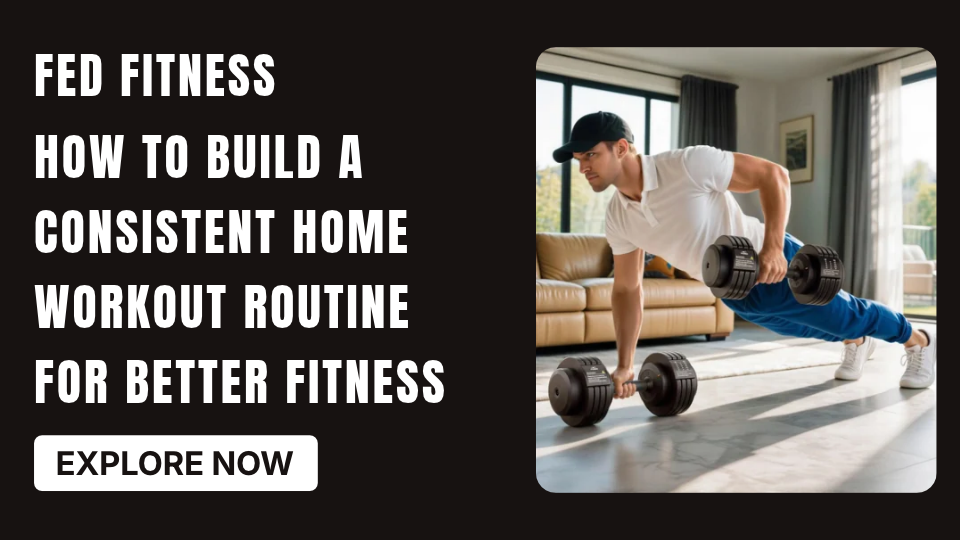
Building a consistent home workout routine is a practical way to stay active, improve physical fitness, and make exercise part of everyday life. However, getting started can feel challenging when you have limited time, little equipment, or no clear training plan. The key is to create a routine that fits your schedule, fitness level, and personal goals rather than following an unnecessarily complicated program.
Home workouts can include bodyweight exercises, strength training, cardiovascular activities, and flexibility exercises. With the right structure, even a small workout space can support different types of training. Fitness equipment from FED Fitness can also provide additional options for people who want to develop a more organized home gym and gradually expand their exercise routine.
Why a Consistent Home Workout Routine Matters
Regular physical activity supports several aspects of general health, including cardiovascular fitness, muscular strength, mobility, and physical endurance. Exercising at home can make it easier to maintain an active lifestyle because you do not need to travel to a gym or depend on its operating hours.
Consistency is particularly important for beginners. Instead of attempting demanding workouts every day, start with manageable sessions and gradually increase your activity.
Some advantages of establishing a home workout routine include:
- Convenience: Exercise around your daily schedule without traveling to a fitness facility.
- Flexible training: Combine strength, cardio, and mobility exercises according to your needs.
- Personalized progress: Adjust workout intensity as your fitness level changes.
- Better time management: Shorter sessions can make regular physical activity easier to maintain.
- Training privacy: Exercise in a familiar environment at your preferred pace.
A realistic schedule is generally more sustainable than an overly demanding plan.
How to Create an Effective Home Workout Plan
A successful fitness routine should cover different types of physical activity. You do not need expensive equipment to begin, but having a structured approach can help you stay organized.
1. Set Clear and Realistic Fitness Goals
Start by identifying what you want from your workouts. Your goals might include improving cardiovascular endurance, developing muscular strength, increasing flexibility, or maintaining general fitness.
Choose goals that can be measured through practical habits. For example, you might aim to complete three workout sessions each week or gradually increase the number of repetitions in a particular exercise.
Avoid comparing your progress with other people’s routines. Your starting point, schedule, and physical capabilities may be different.
2. Include Strength Training
Strength training helps develop muscular strength and supports everyday physical activities. Beginners can start with bodyweight exercises before introducing resistance equipment.
Useful exercises include:
- Squats for lower-body strength.
- Push-ups for upper-body training.
- Lunges for leg strength and balance.
- Planks for core stability.
- Glute bridges for the hips and lower body.
As your experience develops, adjustable dumbbells, weight benches, and resistance-based equipment can provide additional training options.
3. Add Cardiovascular Exercise
Cardio exercises help improve cardiovascular endurance and provide another important part of a balanced fitness routine.
Consider activities such as brisk walking, jogging, cycling, rowing, or low-impact indoor workouts.
If you prefer exercising indoors, equipment such as treadmills, exercise bikes, ellipticals, and rowing machines can help you include cardiovascular training at home.
Choose an activity that matches your fitness level and is comfortable enough to perform consistently.
4. Make Recovery Part of Your Schedule
Rest and recovery are important parts of an effective workout plan. Exercising the same muscle groups intensely without sufficient recovery may increase fatigue and make your routine difficult to maintain.
Include rest days, gentle movement, and flexibility exercises throughout your week. Pay attention to your body’s response and adjust your training when necessary.
Fitness Equipment to Consider for Your Home Gym
Choosing suitable equipment can make home workouts more convenient and introduce additional exercise variations.
Adjustable Dumbbells
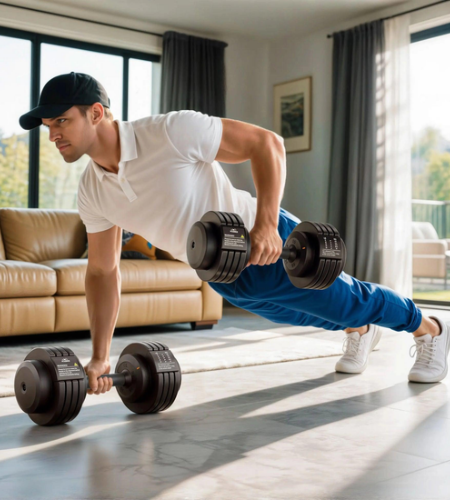
Adjustable dumbbells can support exercises for different muscle groups, including the arms, shoulders, chest, back, and legs. They are worth considering when you want multiple resistance options without storing numerous separate dumbbell pairs.
FED Fitness offers adjustable dumbbell options, including products from its Flybird and Feierdun ranges. FED Fitness+1
Adjustable Weight Benches
A weight bench can provide support for different strength-training exercises. Depending on its design, an adjustable bench may accommodate various workout positions and exercises.
This equipment can be useful when combining dumbbells with chest presses, seated movements, and other strength exercises.
Exercise Bikes and Treadmills
Cardio equipment can help people maintain an indoor exercise schedule. Exercise bikes provide cycling-based workouts, while treadmills accommodate walking and running.
FED Fitness offers both equipment categories, allowing shoppers to compare different models based on available space, intended use, and budget. FED Fitness+1
Home Gym Machines and Power Racks
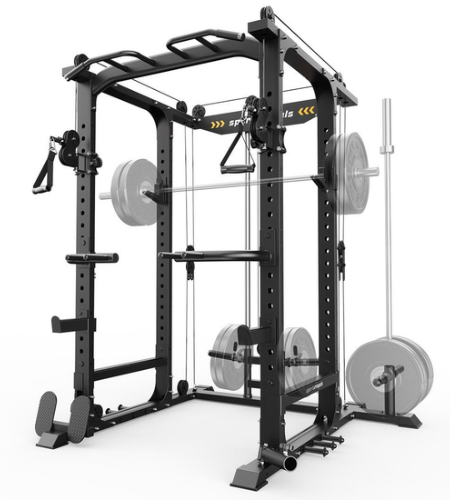
People interested in more structured resistance training may consider multifunctional gym machines or power racks. These options can accommodate different exercises, depending on their configurations and compatible accessories.
However, they generally require more floor space and careful installation than smaller fitness accessories.
How to Stay Motivated and Maintain Consistency
Starting a workout routine is one challenge; continuing it over time is another. A few practical habits can make exercise easier to maintain.
- Choose fixed workout times: Schedule exercise sessions as part of your weekly routine.
- Start small: Begin with manageable workouts instead of attempting lengthy sessions immediately.
- Track your activity: Record completed workouts, repetitions, or exercise duration.
- Keep equipment accessible: Organize your workout area so that preparing for exercise takes less time.
- Change activities occasionally: Combine different exercises to keep your routine interesting.
- Review your progress: Adjust your training plan as your strength and endurance develop.
Remember that missing an occasional workout does not mean your entire routine has failed. Return to your regular schedule when possible.
How FED Fitness Supports Home Workouts
FED Fitness offers home fitness equipment across several categories, including strength training, cardio, family fitness, and flexibility-related products. Its selection provides options for people who want to create a basic workout area or develop a more comprehensive home gym.
The brand’s product range includes equipment from names such as Flybird, Feierdun, Sportsroyals, and Yosuda. This variety allows shoppers to compare different equipment types according to their training preferences and available space. Home Gym Equipment+1
Rather than purchasing several machines immediately, consider which equipment supports your current routine and whether it offers enough versatility for your needs.
Common Home Workout Mistakes to Avoid
Certain habits can make home exercise less effective or unnecessarily difficult.
Doing too much too soon: Increasing workout intensity too quickly may contribute to excessive fatigue. Progress gradually.
Ignoring exercise technique: Correct movement patterns are important for effective training and injury prevention.
Skipping warm-ups: Prepare your body with gentle movement before more demanding activities.
Focusing on only one exercise type: A balanced routine should include cardiovascular activity, strength training, and flexibility work.
Choosing unsuitable equipment: Consider your experience, available space, and training requirements before purchasing fitness machines.
Frequently Asked Questions
How many days a week should beginners exercise at home?
Beginners can start with three weekly workout sessions and gradually build their activity level. The ideal schedule depends on individual fitness, recovery, and exercise intensity.
Can I build strength with home workouts?
Yes. Bodyweight movements and resistance exercises can help develop muscular strength. Dumbbells, benches, and other equipment can provide additional training options.
What equipment is best for a beginner home gym?
Adjustable dumbbells, a suitable exercise mat, and a weight bench can be useful starting options. Your choice should depend on your goals, available space, and budget.
Are home workouts effective without gym machines?
Yes. Squats, push-ups, lunges, planks, and other bodyweight exercises can support a useful fitness routine without large machines.
Should I do cardio and strength training on the same day?
You can combine both activities depending on your fitness level and schedule. Alternatively, you can perform them on separate days to organize your training.
How can I stay consistent with home exercise?
Create a realistic weekly schedule, choose enjoyable activities, track your progress, and allow sufficient recovery time.
Conclusion
Building a consistent home workout routine does not require a complicated training plan or a fully equipped gym. Start with realistic goals, combine strength and cardiovascular exercises, prioritize recovery, and gradually develop your fitness habits.
As your training needs change, suitable equipment can introduce more exercise options and help organize your workout space. FED Fitness offers a range of home fitness products, including dumbbells, benches, exercise bikes, treadmills, and multifunctional gym equipment.
If you are planning to improve your home workout setup, visit the official FED Fitness website to compare available equipment and find options that match your fitness goals.