

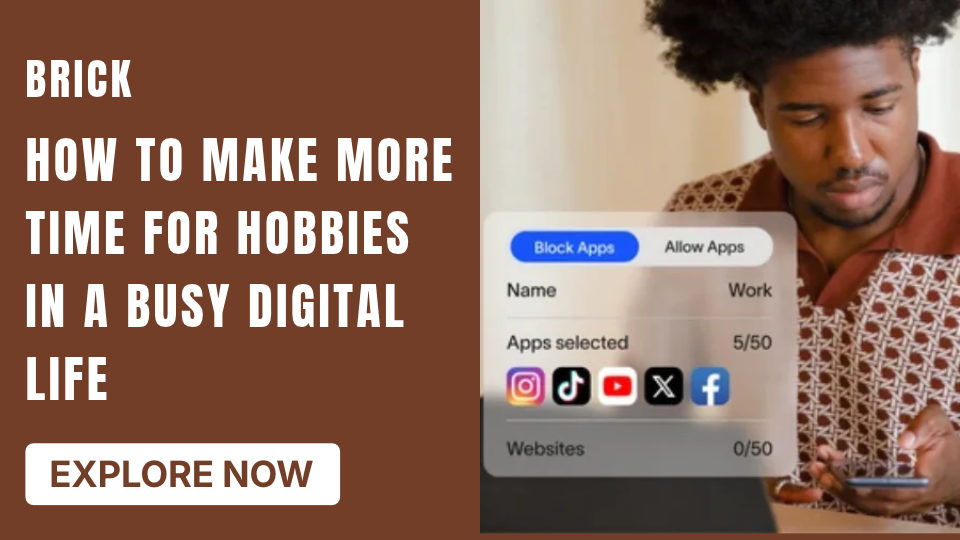
Finding time for hobbies can feel difficult when work, household responsibilities, and everyday commitments fill most of your schedule. Even when you finally have a free hour, scrolling through social media or watching random videos can consume it before you realize how much time has passed. Hobbies offer something different: an opportunity to explore interests, develop skills, express creativity, and enjoy activities without focusing on productivity or deadlines. Whether you are looking for inspiration, creative ideas, or ways to make your free time more enjoyable, Brick encourages you to discover activities that match your interests and lifestyle. Making more time for hobbies does not necessarily require a completely different lifestyle. It often starts with recognizing where your free time goes and making small changes to your daily routine. With better planning and fewer digital interruptions, you can create more opportunities for activities that genuinely interest you.
Why Making Time for Hobbies Matters
Hobbies are more than occasional ways to pass the time. They give you an opportunity to enjoy something outside your regular responsibilities.
Whether you enjoy painting, gardening, cooking, photography, playing an instrument, or learning a language, personal interests can add variety to your routine.
Making time for hobbies may help you:
- Explore your creativity and personal interests.
- Develop practical skills at your own pace.
- Create a relaxing break from everyday responsibilities.
- Spend less of your free time on passive entertainment.
- Build a routine that includes activities you genuinely enjoy.
You do not need to become an expert or turn a hobby into a side business. The value often comes from participating and enjoying the process.
Why Hobbies Often Get Pushed Aside
Many people assume they do not have enough free time, but scheduling is only part of the problem. Small habits can also take attention away from activities that matter.
Unplanned Screen Time
Opening your phone for a quick check can lead to browsing multiple apps, watching videos, or reading unrelated updates. These short sessions can gradually occupy time that could have been used for a personal interest.
Unrealistic Expectations
Some people avoid starting a hobby because they believe they need a large block of uninterrupted time. They may imagine that painting requires an entire afternoon or learning an instrument requires hours of daily practice.
In reality, many activities can be enjoyed in shorter sessions. A little consistent time can be more practical than waiting for a completely free day.
Too Many Daily Commitments
Work, errands, family responsibilities, and household tasks can make personal activities feel less important. Without planning, hobbies are often postponed until everything else is finished.
The challenge is to give personal interests a realistic place in your schedule.
How to Make More Time for Hobbies
You can create more room for hobbies by changing how you organize your available time. Start with manageable steps rather than attempting to redesign your entire routine.
1. Choose One Hobby to Prioritize
If you have several interests, choose one to focus on initially. Think about an activity you genuinely enjoy or something you have wanted to learn.
For example, you might choose:
- Reading fiction or nonfiction.
- Learning photography.
- Cooking new recipes.
- Drawing or painting.
- Gardening or caring for plants.
- Practicing a musical instrument.
Starting with one activity makes it easier to organize your time and avoid feeling overwhelmed.
2. Find Small Time Opportunities
Brick Review your typical day and look for periods that could accommodate a hobby. You might have 15 minutes before dinner, 20 minutes after breakfast, or a short period in the evening.
Use these opportunities for activities that fit the available time. You can sketch for a few minutes, read a chapter, practice vocabulary, or care for indoor plants.
A hobby does not need a complicated schedule to become part of your routine.
3. Reduce Unnecessary Phone Use
One practical way to create more free time is to become aware of how often you reach for your phone without a clear reason.
Try these simple changes:
- Turn off nonessential notifications.
- Keep distracting apps away from your home screen.
- Avoid opening social media during planned hobby time.
- Set a specific period for checking entertainment apps.
- Keep your phone away from your hobby workspace when possible.
These changes can reduce interruptions and make it easier to stay involved in an activity.
4. Prepare Your Hobby Space in Advance
Getting started becomes easier when the necessary materials are ready.
Keep books near your favorite chair, arrange art supplies in one place, or prepare your gardening tools before your planned session. If you play an instrument, choose a convenient location where you can practice without spending several minutes setting everything up.
A simple, accessible setup can remove unnecessary barriers.
5. Make Hobbies Part of Your Weekly Routine
Choose a few realistic time slots for your interests. You could reserve certain evenings for reading, dedicate a weekend morning to photography, or practice cooking on a particular day.
Your schedule should remain flexible. If something unexpected happens, move the activity rather than treating one missed session as a reason to abandon the habit.
6. Enjoy the Activity Without Measuring Everything
Hobbies can become less enjoyable when you turn them into another performance target. You do not need to track every minute, compare your progress with others, or share every result online.
Allow yourself to experiment, make mistakes, and improve gradually. The purpose is to enjoy an activity, not create another source of pressure.
How Brick Can Help Reduce Digital Distractions
Making time for hobbies is easier when your phone is not constantly competing for attention. However, simply deciding to avoid certain apps does not always make it easy to follow through.
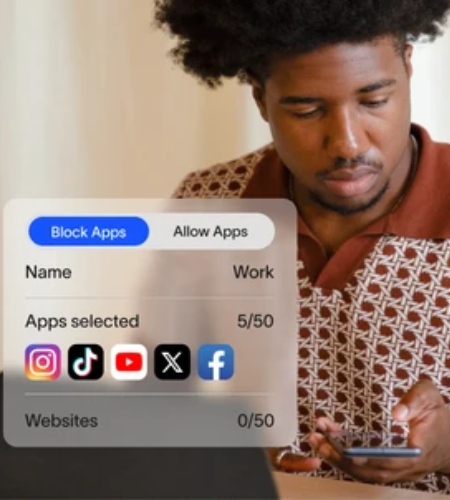
Brick offers a physical app-blocking device that works with its mobile app. Users can select apps and websites they want to restrict, create custom modes, and activate those modes by tapping a compatible phone against the Brick device.
This may be useful when you want to create a dedicated period for reading, painting, gardening, practicing music, or another personal interest.
For example, you could activate a blocking mode before starting a hobby session to make selected distracting apps less accessible. This adds a deliberate step before returning to those apps and may help you stay committed to the activity you planned.
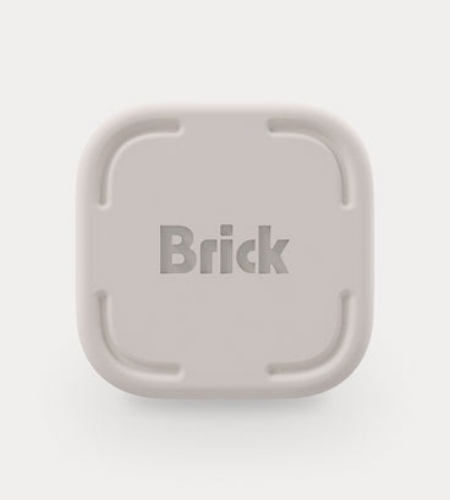
Brick is a supporting tool rather than a replacement for time management. You still need to choose activities, make room in your schedule, and establish realistic expectations.
Common Mistakes to Avoid When Starting a Hobby
A few common mistakes can make it harder to maintain a new interest.
- Choosing too many activities: Starting several hobbies at once can make your schedule difficult to manage.
- Expecting immediate progress: Skills develop at different rates, so allow yourself time to learn.
- Waiting for perfect conditions: You can often begin with basic equipment and a short session.
- Treating hobbies like obligations: Keep the experience enjoyable instead of adding unnecessary pressure.
- Ignoring your available energy: Choose activities that suit your schedule and how you feel at different times of the day.
Frequently Asked Questions
How much time should I spend on hobbies each day?
There is no fixed requirement. Even 10 to 20 minutes can provide an opportunity to enjoy an activity. Choose a duration that fits your routine.
What are some hobbies I can do at home?
Reading, cooking, drawing, painting, gardening, knitting, photography, and learning an instrument are examples of hobbies you can enjoy at home.
How can I make time for hobbies with a busy schedule?
Identify small periods of available time, prioritize one activity, and reduce unnecessary distractions. Scheduling a few short sessions each week can make starting easier.
Can reducing phone use create more time for hobbies?
It can. Limiting unnecessary browsing and notifications may free up time and attention for activities outside your phone.
Can Brick help me focus on hobbies?
Brick is designed to restrict selected apps and websites through custom blocking modes. It may help reduce access to digital distractions during planned hobby sessions.
Conclusion
Making more time for hobbies begins with recognizing that personal interests deserve a place in your routine. Choose an activity you enjoy, start with manageable sessions, prepare your space, and reduce unnecessary digital interruptions. You do not need hours of free time or perfect conditions to make progress. Small, consistent opportunities can help you develop interests and enjoy more of your day. If phone distractions make it difficult to follow through, Brick may offer a practical way to restrict selected apps during hobby time. Visit the official Brick store to learn more about its approach to managing digital distractions.


